
Grilling with propane offers a convenient and efficient way to enjoy outdoor culinary experiences throughout the year. However, the combination of pressurized gas and open flames necessitates a strict adherence to safety protocols to prevent accidents. By following these essential guidelines, you can ensure that your next backyard barbecue is both delicious and secure for everyone involved.
Placing the Grill in a Secure Location
The placement of your grilling station is the first and most critical step in preventing residential fires. A common mistake is tucking the grill under a low-hanging eave or against a wooden deck railing to save space or seek shade. According to the National Fire Protection Association, outdoor cooking appliances including grills and hibachis should not be used within 10 feet of any structure. This clearance is vital because the intense heat radiating from the unit can melt vinyl siding or ignite dry wood long before a flame even touches the surface.
In addition to maintaining distance from walls, you must ensure that the area above the grill is completely clear of obstructions. Overhanging tree branches, patio umbrellas, and thatched roof gazebos pose significant fire risks as heat rises during the cooking process. Always operate your grill on a flat, non-combustible surface like concrete or stone to prevent the unit from tipping over. A stable foundation ensures that the fuel lines remain secure and that hot grease does not shift unexpectedly.
Inspecting the Tank and Connections
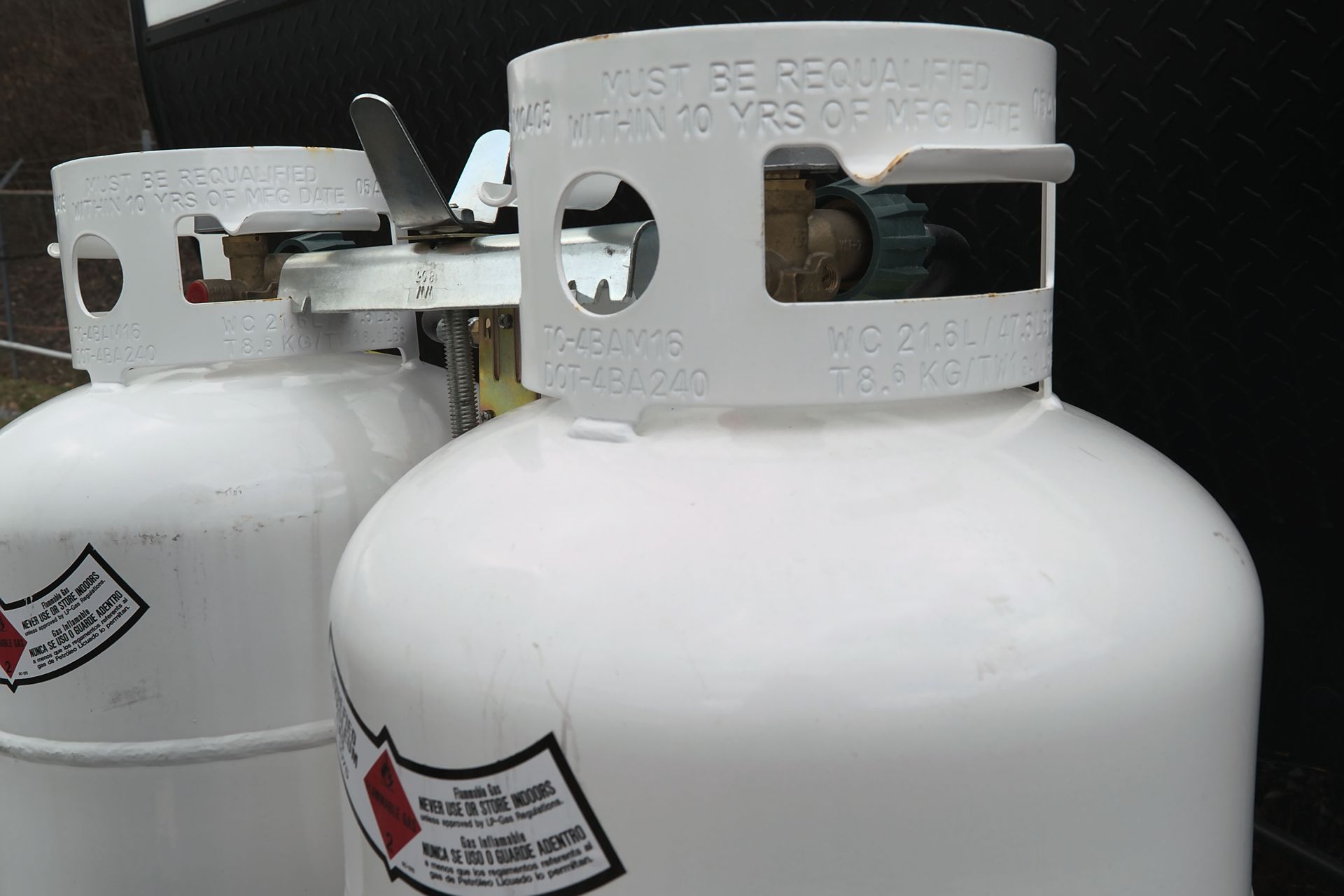
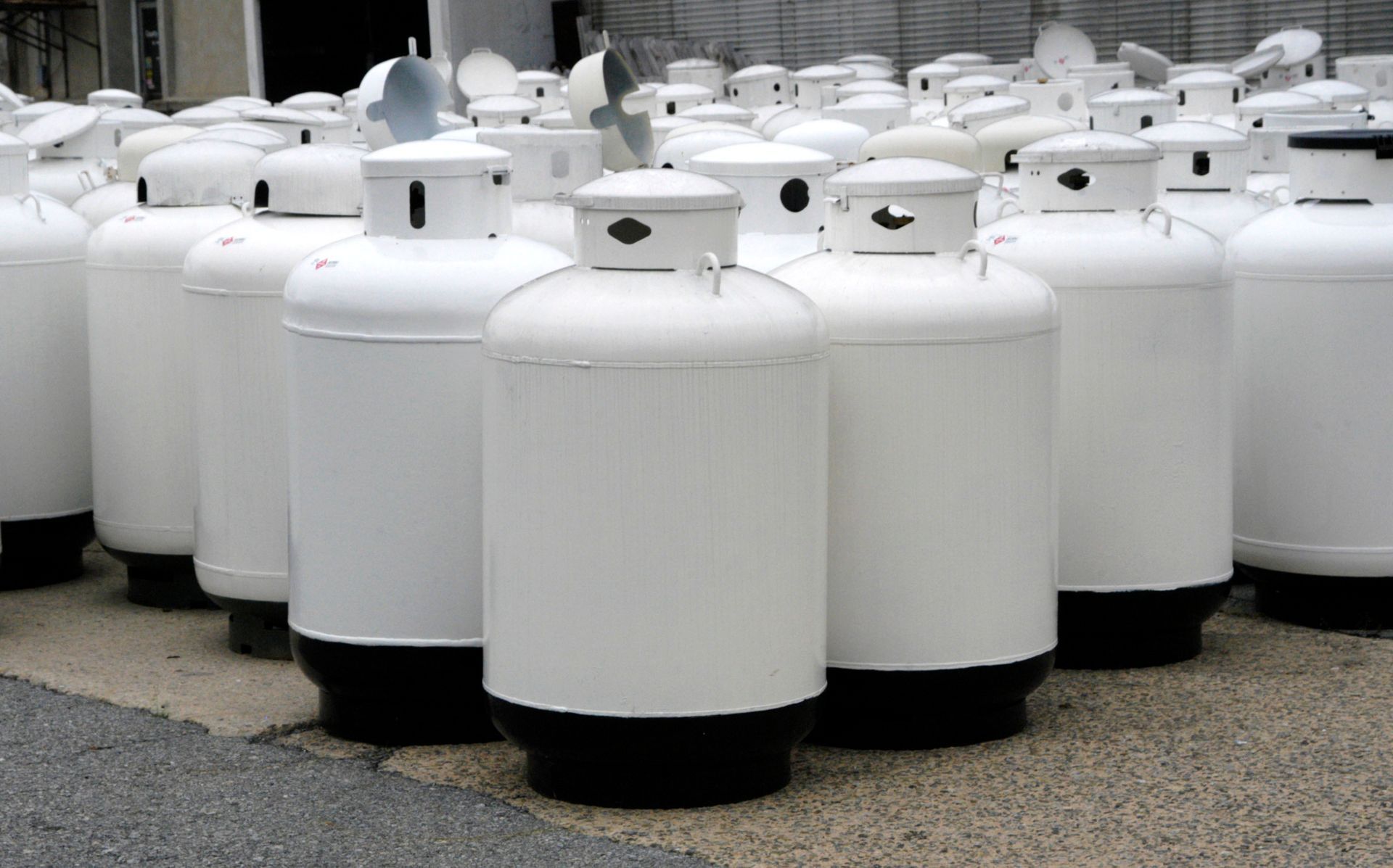
Before you ignite the burners for the first time each season, a thorough inspection of the fuel source is mandatory. Examine your propane tank for any signs of physical damage, such as deep dents, heavy rusting on the collar, or a compromised valve assembly. If the tank appears weathered or if the "re-qualification" date stamped on the metal has passed, it is safer to exchange it for a new unit rather than attempting a refill. Ensuring the integrity of the vessel is the primary defense against unexpected leaks.
To check for gas leaks at the connection points, apply a mixture of soapy water to the hose and the valve of the propane tank. Turn on the gas without lighting the grill; if you see growing bubbles forming around the fittings, you have a leak that must be addressed immediately. Tighten the connections or replace the regulator hose if the bubbles persist, and never use a flame to "test" for a gas leak. This simple five-minute check can prevent a catastrophic flash fire during the ignition process.
Following Proper Lighting Procedures
Lighting a propane grill requires a specific sequence of actions to prevent the dangerous buildup of gas under the lid. You must always open the grill lid before turning on the gas or hitting the igniter button. If the lid is closed, gas can accumulate rapidly in the cook box, leading to a small explosion when the spark finally catches. If the grill does not light within the first few attempts, turn everything off and wait at least five minutes for the gas to dissipate before trying again.
During operation, keep the valve of the propane tank fully open to ensure a steady flow of fuel and a consistent flame. If you smell gas while cooking or notice the flames turning a flickering yellow instead of a steady blue, turn off the burners and the fuel source immediately. Never leave a lit grill unattended, as flare-ups from dripping fat can occur in seconds. Keeping a multi-purpose fire extinguisher within reach is a hallmark of a responsible grill master who prioritizes the safety of their guests.
Maintaining the Burners and Venturi Tubes
The internal components of the grill require regular maintenance to ensure that propane burns cleanly and safely. Over time, spiders and small insects are often attracted to the smell of gas and may build nests inside the venturi tubes, which are the pipes that connect the control valves to the burners. These blockages can cause a "backflash" fire, where gas burns outside the tubes near the control knobs rather than inside the grill. Periodically cleaning these tubes with a dedicated venturi brush is a necessary safety task.
Furthermore, ensure that the burner ports are not clogged with carbon buildup or food debris. Uneven flames can lead to pockets of unburnt gas, which creates an unstable cooking environment. When you disconnect the propane tank for cleaning, take the opportunity to wipe down the interior of the cabinet. Removing old grease and charred bits of food not only improves the flavor of your meals but also eliminates the fuel source for a potential grease fire that could get out of control.
Practicing Safe Fuel Storage and Transport
How you handle and store your fuel when the grill is not in use is just as important as how you use it. You should never store a spare propane tank indoors, including inside a garage, basement, or tool shed. If the valve were to develop a small leak, the gas could collect in the enclosed space and ignite from a water heater pilot light or a power tool spark. Always keep spare cylinders upright and in a well-ventilated outdoor area shielded from direct sunlight.
When transporting a cylinder to a local exchange or refill station, keep it upright and secure in your vehicle. Do not leave a propane tank in a hot car for an extended period, as the internal pressure rises with the temperature, which could trigger the safety relief valve to release gas. Once you arrive home, move the tank to its designated outdoor storage spot immediately. Proper handling during transit ensures that the safety valves and seals remain functional and ready for your next outdoor meal.
Managing Flare-Ups and Grease Buildup
Flare-ups are a natural part of grilling, but they can quickly turn into a dangerous fire if the grill is not kept clean. Most flare-ups occur when fat and juices from the meat drip onto the heat tents or burners and ignite. While a small amount of smoke adds flavor, a sustained fire inside the cook box can damage the grill and lead to a grease fire. You should regularly empty and clean the grease tray or drip pan located beneath the burners to remove the most common source of uncontrolled flames.
If a grease fire does occur, do not use water to put it out, as this will cause the burning grease to splash and spread the fire. Instead, turn off the burners and, if you can do so safely, close the lid and turn off the gas at the source. This deprives the fire of oxygen and fuel simultaneously. If the fire persists, use your fire extinguisher or cover the flames with baking soda. Keeping the grill surface clean with a wire brush after every use significantly reduces the risk of these sudden and dangerous events.
Grilling with propane is a rewarding experience that brings people together through the joy of outdoor cooking. By respecting the power of the fuel source and maintaining your equipment, you can prevent the vast majority of common accidents. Consistently applying these safety measures ensures that every meal you serve is defined by great flavor rather than avoidable emergencies. Contact Arrow Propane today to learn more!
Share On: