
Modern agriculture relies heavily on dependable energy solutions to power everyday operations across expansive rural landscapes. From crop fields to livestock facilities, agricultural management demands consistent energy sources that function effectively regardless of changing weather conditions or remote locations. Farming professionals depend on versatile fuel options to keep machinery running smoothly, protect vulnerable crops, and sustain daily operational routines. Working alongside an experienced propane company allows agricultural leaders to implement reliable power solutions tailored to specific farm requirements. Clean-burning fuel provides high thermal output while reducing environmental emissions often associated with legacy fuel types. As modern farming practices evolve, selecting effective energy solutions becomes a key factor in building resilient agricultural infrastructure that supports continuous productivity and long-term growth across rural communities.
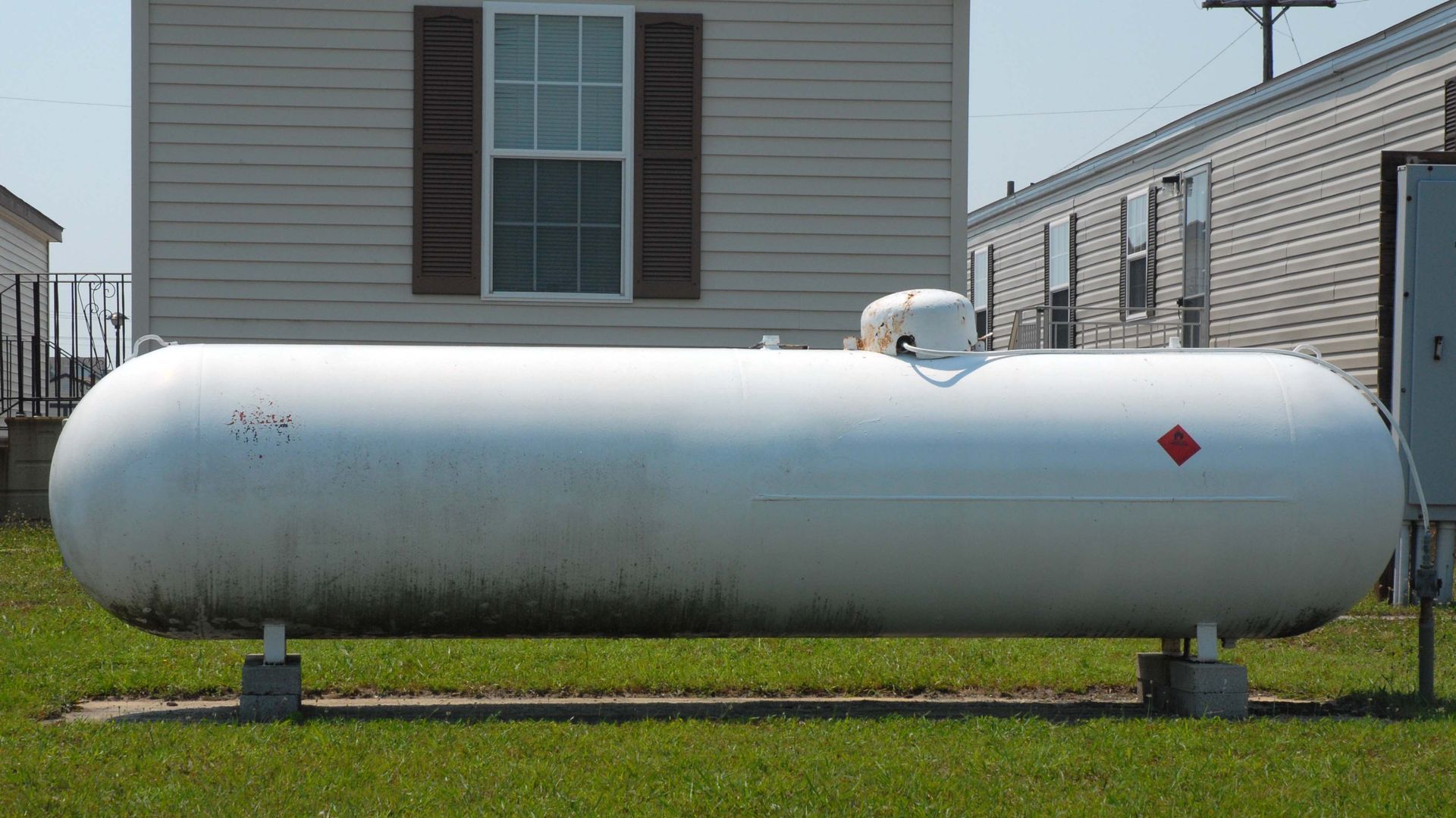
Agricultural operations must balance output efficiency with environmental stewardship to remain viable across generations. Fuel availability in remote rural areas can present logistical challenges, making independent fuel storage solutions particularly valuable for modern producers. On-site fuel storage supplies off-grid capabilities that allow remote farm properties to operate without total reliance on local electrical grids. With regular fuel deliveries and specialized equipment maintenance, agricultural producers can dedicate attention to crop yields and animal welfare. The continuous evolution of modern farming equipment highlights the ongoing necessity for clean energy systems that deliver high performance without compromising sustainability goals. Consequently, versatile fuel solutions remain central to modern agricultural planning, supporting rural economies and maintaining food production stability.
Powering Essential Farm Machinery
Field machinery forms the core of modern agricultural production, requiring significant power to perform daily cultivation, planting, and harvesting operations. Tractors, irrigation pumps, and utility vehicles must operate reliably throughout key seasonal windows to maximize overall crop yields. Partnering with a dedicated propane company ensures that farm equipment maintains steady access to high-performance fuel. Propane-powered engines deliver impressive torque and dependable engine response, allowing heavy field machinery to navigate difficult terrain effectively. Clean-burning fuel leaves significantly fewer engine deposits compared to traditional options, which preserves engine health and reduces equipment downtime during critical field work.
In addition to mobile field equipment, stationary agricultural machinery relies on continuous power to manage vital crop care tasks. Irrigation engines, for example, must run continuously during dry spells to protect growing crops from extreme heat stress. Having a reliable energy delivery framework allows farmers to maintain water management systems without unexpected fuel shortages. Clean gas combusts safely without risk of soil or water contamination, safeguarding surrounding delicate environments. According to the National Propane Gas Association, propane serves as an essential resource for more than 800,000 farms and ranches across the nation. This broad utilization highlights the essential role that dependable gas plays in maintaining farm infrastructure across the country.
Heating Sensitive Livestock Barns
Maintaining stable climate conditions inside animal housing is critical for livestock health, proper development, and overall farm yield. Young animals, particularly poultry and swine, are vulnerable to temperature drops and require consistent ambient warmth to thrive during cold weather periods. Working with a professional propane company allows farm managers to operate heating equipment that distributes clean warmth evenly throughout large barn structures. Radiant brooders, forced-air heaters, and automated temperature regulation units perform efficiently to maintain ideal indoor temperatures. By eliminating draft zones and cold pockets, livestock managers protect animal wellness and support steady growth rates without energy interruption.
In addition to space heating, high-temperature water systems powered by clean gas play a vital role in maintaining strict hygiene standards across agricultural buildings. Hot water is necessary for washing down livestock housing, sanitizing milking equipment, and preserving biosecurity protocols. A dependable fuel supply ensures that farm operations maintain continuous hot water availability to support daily cleaning routines. Because clean combustion yields minimal emissions and no toxic fumes, air quality inside enclosed structures remains safe for animals and farm workers alike. Healthy air quality reduces respiratory issues among livestock, promoting overall animal health and higher output quality.
Drying Harvested Grain Crops
Harvest time requires rapid processing to prevent crop degradation and protect commodity value. Grain drying is a key post-harvest operation that extracts excess moisture from corn, soybeans, and wheat before commercial storage. Operating high-capacity grain dryers requires a steady, high-Btu heat source that adapts quickly to high crop volumes coming from the fields. Engaging a full-service propane company gives agricultural producers access to reliable fuel deliveries required to run drying systems continuously during peak harvest weeks. Proper moisture management prevents mold formation, insect infestation, and spoilage, ensuring harvested grain preserves quality standards necessary for market sale.
The precision and speed of gas-fueled crop dryers allow farmers to harvest crops at optimum maturity rather than leaving crops in fields to dry naturally. Extended field drying exposes crops to adverse weather conditions, wildlife damage, and heavy winds that can reduce overall yield. By relying on modern drying technology powered by clean gas, agricultural producers control their post-harvest timelines effectively. Accurate temperature controls prevent kernel cracking and preserve grain integrity, allowing farmers to achieve optimal commodity grading. Efficient crop drying safeguards significant farming investments and supports successful crop storage throughout extended inventory cycles.
Managing Harmful Field Pests
Modern agricultural operations emphasize environmentally conscious weed and pest management methods to lower synthetic chemical reliance. Flame weeding offers an effective method for managing undesired vegetation along crop rows and field boundaries. This system applies targeted thermal energy to break plant cellular walls, causing targeted weeds to wither quickly without depositing chemical residues into surrounding soil. Working with an established propane company provides agricultural managers with steady fuel deliveries needed for thermal weed control equipment. Thermal weeding is especially useful for organic farming operations that adhere to strict ecological standards while keeping crop beds free of invasive plant species.
In addition to weed suppression, thermal pest management utilizes direct heat to eliminate harmful soil pathogens and insect infestations safely. Thermal treatments provide a chemical-free method for sanitizing greenhouse beds, soil plots, and grain storage structures. Utilizing clean gas equipment allows conventional and organic producers alike to maintain high cleanliness standards across growing facilities. Because heat treatments leave no chemical residual, fields can be planted or harvested immediately following application. This sustainable practice protects helpful soil microorganisms, encourages long-term soil health, and maintains balanced growing environments across agricultural properties.
Supplying Reliable Emergency Energy
Severe weather events and local power grid failures present operational hazards to agricultural facilities, where power outages threaten animal welfare and harvested inventory. Automated ventilation fans, feeding machinery, milk refrigeration units, and greenhouse environmental controls require continuous electrical power to function properly. Connecting standby power generators to clean-burning gas reserves creates a reliable emergency power source whenever municipal power grids drop out. Coordinating generator setup and fuel logistics with a dependable propane company provides agricultural property owners with peace of mind knowing backup systems will engage automatically during sudden outage events.
Clean-burning fuel plays an indispensable role across modern agricultural landscapes, supporting field machinery operations, livestock heating systems, crop drying equipment, and non-chemical pest management solutions. By incorporating versatile energy options into ongoing routines, farm managers enhance daily operational productivity, reduce environmental emissions, and secure reliable emergency power reserves throughout all seasons. Partnering with a dedicated propane company delivers steady fuel access and specialized maintenance support needed to keep rural facilities operating at peak performance. If you are ready for dependable energy solutions tailored to your agricultural operations, contact us at Arrow Propane today. We will help you select and maintain the right fuel delivery systems for long-term farm success.

Share On: